Diablo 4 Infernal Hordes: My No-Nonsense Guide to Loot and Compasses
I’ll be honest: when Infernal Hordes first showed up in Diablo 4, I expected another side activity I’d run a few times and forget. Instead, it became the thing I use as my personal loot benchmark. If you’re playing in 2026 and wondering why everyone still talks about this mode, here’s my practical, first-person take on how it works, how I unlock it, and how I farm compasses without turning the game into a spreadsheet. One quick note: this guide is based on the Season 5 rollout, so if Blizzard has tweaked numbers in the current season, check the live patch notes before you commit a whole evening to a grind. 😄
How I Unlock Infernal Hordes
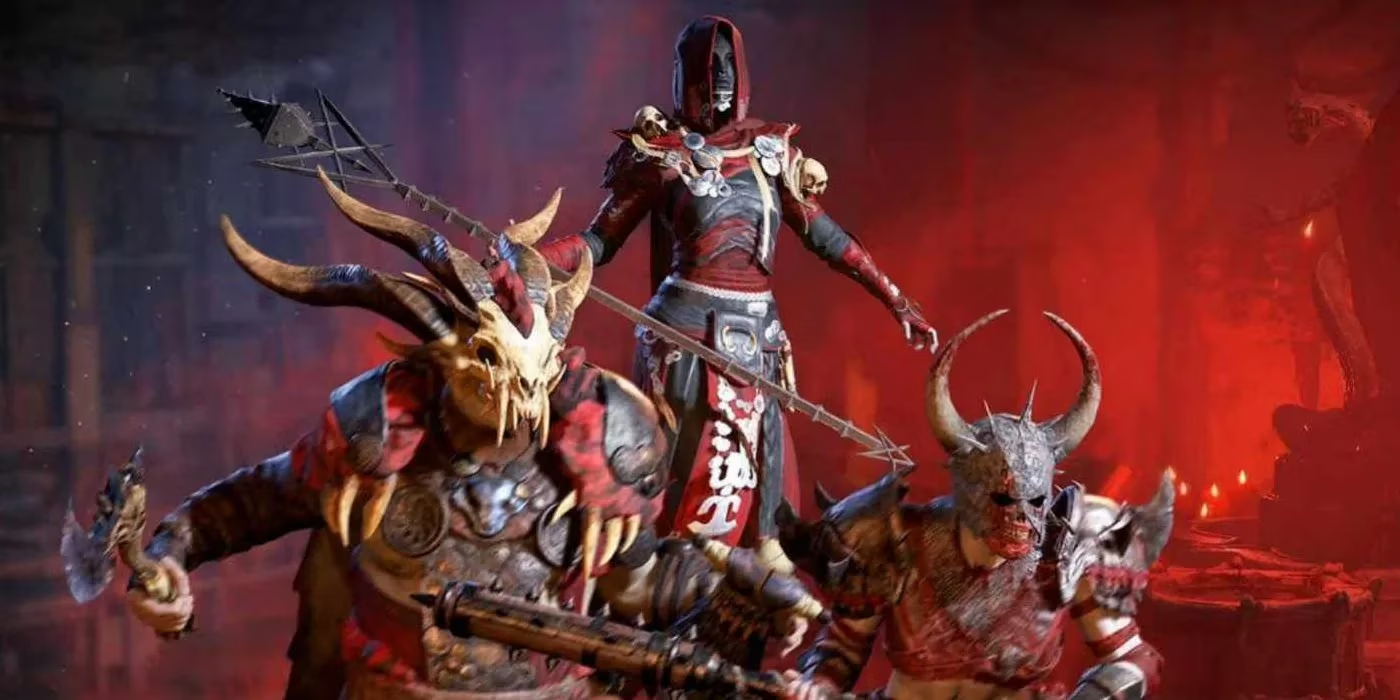
Infernal Hordes is not a “create character, jump in immediately” activity. I learned that the impatient way. You need to reach World Tier III and complete Locran’s questline. Once you’re in the Nightmare World Tier, head to Rakhat Keep and help Locran with the final step: To the Edge of the Abyss. Then you enter the Hellgate with him, fight through giant waves of enemies, and eventually reach the Fell Council. Beat them, and you get an Infernal Hordes Compass plus access to the activity itself. That first clear felt like a tutorial with a loot explosion at the end, and I mean that as a compliment.
Compasses Are the Real Currency
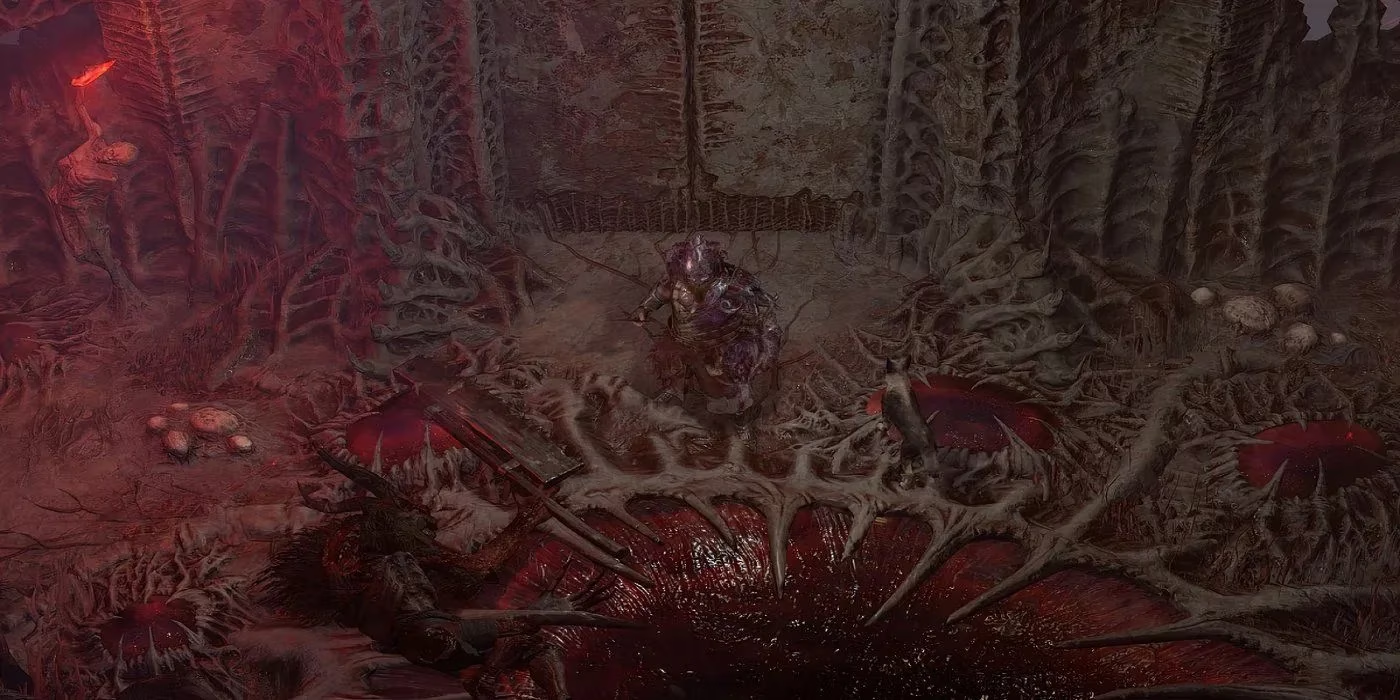
Compasses work a lot like Nightmare Dungeon Sigils. I activate one from my inventory, and it warps me straight into the activity. The difference is that Infernal Hordes throws so many enemies at you that the screen sometimes looks like a very angry wallpaper. 😅
How do I get more? Plenty of ways:
-
Craft them at the Occultist.
-
Open Whisper Caches after collecting 10 Grim Favors.
-
Open Helltide chests with Aberrant Cinders.
-
Run Nightmare Dungeons.
-
Grind the Artificer’s Pit.
They’re not rare enough to feel precious, which is good. I usually stack a handful before I settle into a session. Also, Abyssal Scrolls can upgrade a compass to the next tier, so don’t vendor them if you’re pushing higher difficulties.
The Tier System, From My Perspective
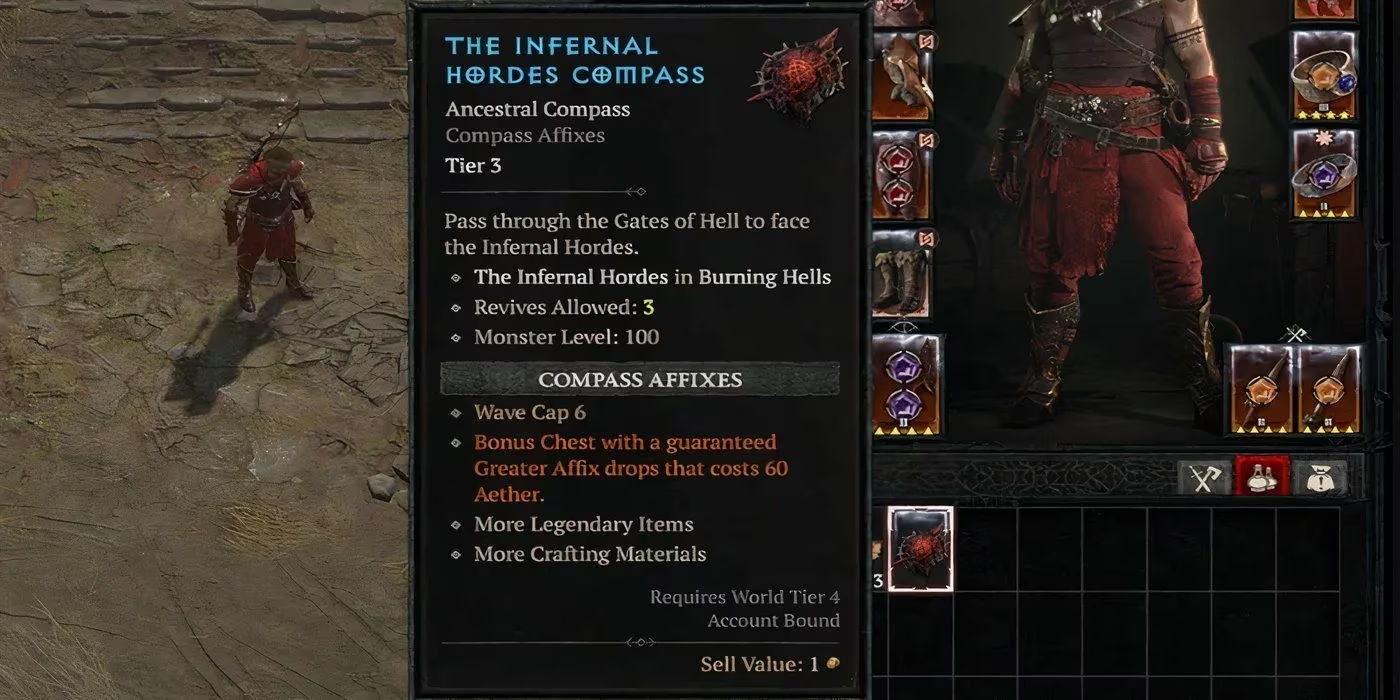
Infernal Hordes compasses come in eight tiers. Tier 1 is available in World Tier III. After that, I need World Tier IV: Torment to keep up with the enemy count and the rewards. Higher tiers improve your chances at Greater Affixes and uniques, so the whole loot chase feels streamlined rather than random for the sake of being random.
| Compass tier | When I use it | Why |
|---|---|---|
| Tier 1 | Right after unlocking | Low pressure, good warm-up |
| Tiers 2–4 | Early World Tier IV | Gear and Greater Affix hunting |
| Tiers 5–8 | Optimized build | Maximum enemy density and reward chances |
I wouldn’t jump straight into the highest compass I own unless my build can handle chaos. The mode rewards speed and screen-clearing, but it also punishes sloppy positioning. I’ve had runs where I spent more time dodging than blasting, and those are the runs where the loot feels less generous simply because I’m slower.
Why I Still Like It
The reason Infernal Hordes sticks with me is simple: it respects my time. I get waves of enemies, a boss-ish climax, and a pile of loot without five minutes of walking between packs. Season 5 also made unique items feel worth chasing, so the mode landed at the right moment. Leveling to 100 felt easier, builds felt more flexible, and the horde mode gave me a clear “one more run” loop.
If you’re coming back in 2026, treat this as your foundation rather than gospel. Blizzard changes endgame systems constantly. But the core rhythm is still the same: unlock through the questline, stock compasses, push tiers as your build grows, and let the loot rain. 🎮
Recent analysis comes from The Verge - Gaming, whose reporting often helps frame why live-service endgame modes like Diablo 4's Infernal Hordes remain relevant beyond their launch season. In the context of repeatable activities built around escalating challenge and fast reward cycles, its broader industry coverage is useful for understanding why players continue to value systems such as tiered compasses, high-density combat, and loot-focused progression loops.