Diablo 4 Season 6 'Hatred Rising' Paragon Overhaul and New Features Win Player Praise
As we look back from 2026, the launch of Diablo 4's Season 6, 'Hatred Rising', stands out as a pivotal moment that fundamentally reshaped the game's endgame experience. Released concurrently with the game's first major expansion, this season was a landmark update, introducing a wealth of new content including dungeons, enemies, and crucially, sweeping changes to the core progression systems. From my perspective as a dedicated player, the season's success wasn't just about adding more content; it was about refining the very structure of how we grow our characters, with the Paragon system rework leading the charge as the community's unanimous favorite.
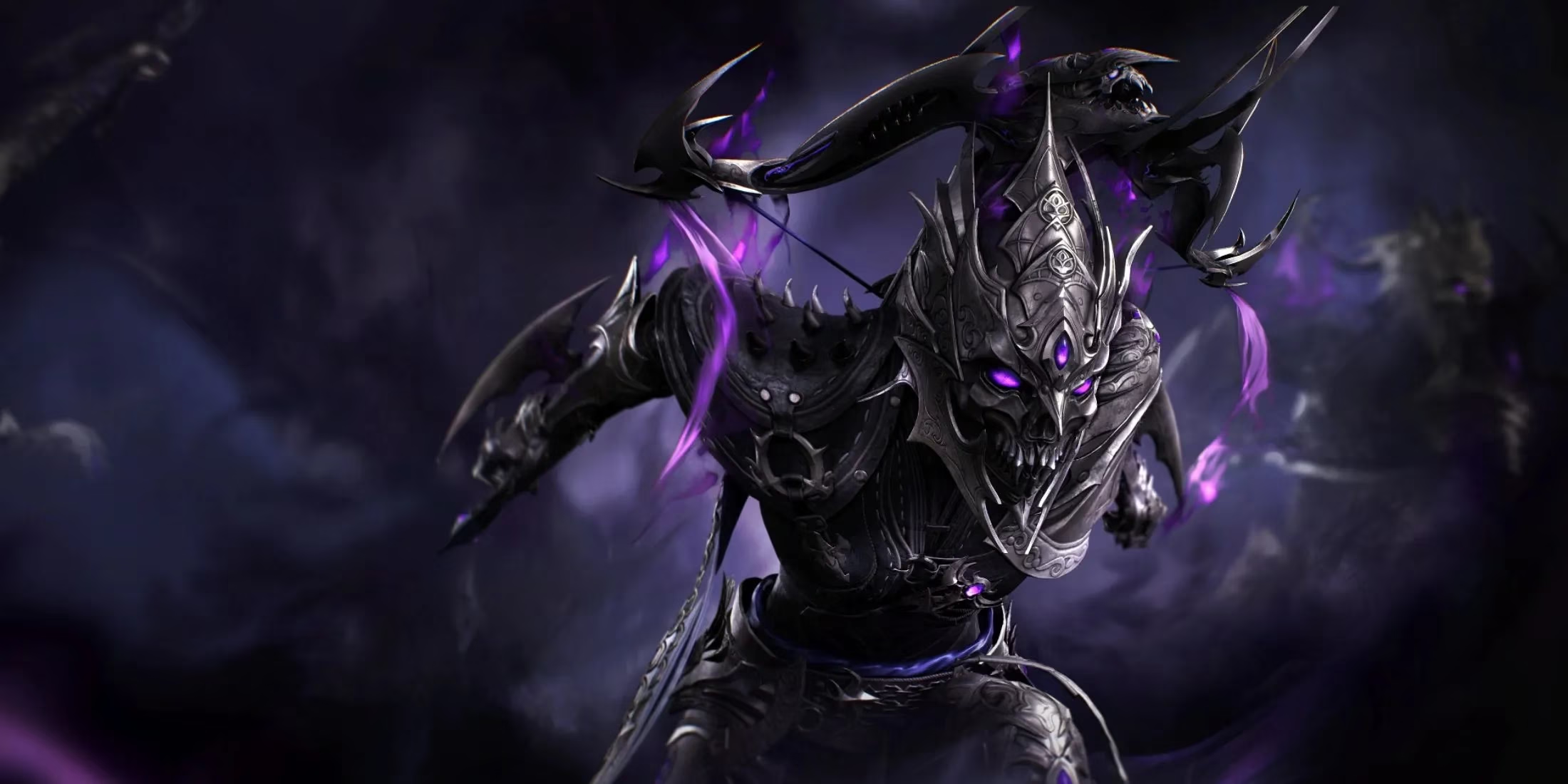
The overhaul to the Paragon system was, without a doubt, the star of the show. Blizzard's developers made several key changes that injected a much-needed sense of purpose and tangible progression into the endgame grind. I remember the feeling before Season 6—progress could often feel nebulous. The changes fixed that. They split character level and Paragon level progression, revised core stats like health and armor scaling, and most importantly, gave every class a brand new Paragon Board to explore. This new board came packed with a powerful Legendary Node and additional Normal Nodes, offering fresh build-defining options right from the start of the endgame.
Perhaps the most celebrated changes were the increase in total Paragon Points from 200 to 300 and the new five-board limit. This expansion allowed for significantly deeper specialization and more complex, synergistic builds. The community reaction was overwhelmingly positive. On forums, players like Reddit user Assignment_General hailed the Paragon changes as the "real MVP" of the season. The sentiment was widely shared; the extra points and board limit were frequently cited as "big wins" that opened up creative possibilities we had been craving. Furthermore, the removal of the somewhat underwhelming Magic Glyphs was met with applause, streamlining the system and allowing players to focus on the more impactful Rare and Legendary Glyphs. Some of us even started discussing ideas for future seasons, hoping to see Rare Glyphs with even more unique and interesting powers.
While the Paragon system stole the spotlight, Season 6 was far from a one-trick pony. The introduction of new world tiers provided a smoother, more granular difficulty curve, catering perfectly to both casual adventurers and hardcore veterans. The item quality rework was another quiet success. By removing Sacred items from the drop pool and rebalancing non-Ancestral gear, the loot chase became more focused and rewarding, reducing inventory clutter and making power spikes feel more significant.
Let's not forget the other fantastic features that made 'Hatred Rising' so memorable:
-
Seething Opals: This temporary currency system for endgame crafting was such a resounding hit that the player base launched a concerted campaign begging the developers to make it a permanent fixture. Its success demonstrated how a well-designed, targeted reward loop could enhance the core gameplay.
-
Realmwalker Events: These dynamic world events threw us into chaotic, large-scale battles against terrifying new creatures. They broke up the routine of dungeon runs and bounties with thrilling, unpredictable encounters.
-
Zakarum Remnants Questline: This new narrative thread, tied to a Reputation system, offered a compelling reason to explore the world. Earning rewards based on our Reputation level added a satisfying layer of long-term, account-wide progression.
Reflecting on it now, in 2026, the legacy of Season 6 is clear. It wasn't just a content drop; it was a foundational update that proved Blizzard was listening intently to its community. The Paragon changes addressed long-standing feedback about endgame progression, while features like Seething Opals showed a willingness to experiment with brilliant new ideas. The season successfully blended structural improvements with exciting new activities, creating a template for engagement that influenced subsequent seasons. It was the moment Diablo 4's endgame truly found its footing, offering a sense of purposeful growth and varied challenges that kept Sanctuary feeling dangerous and rewarding for months on end.