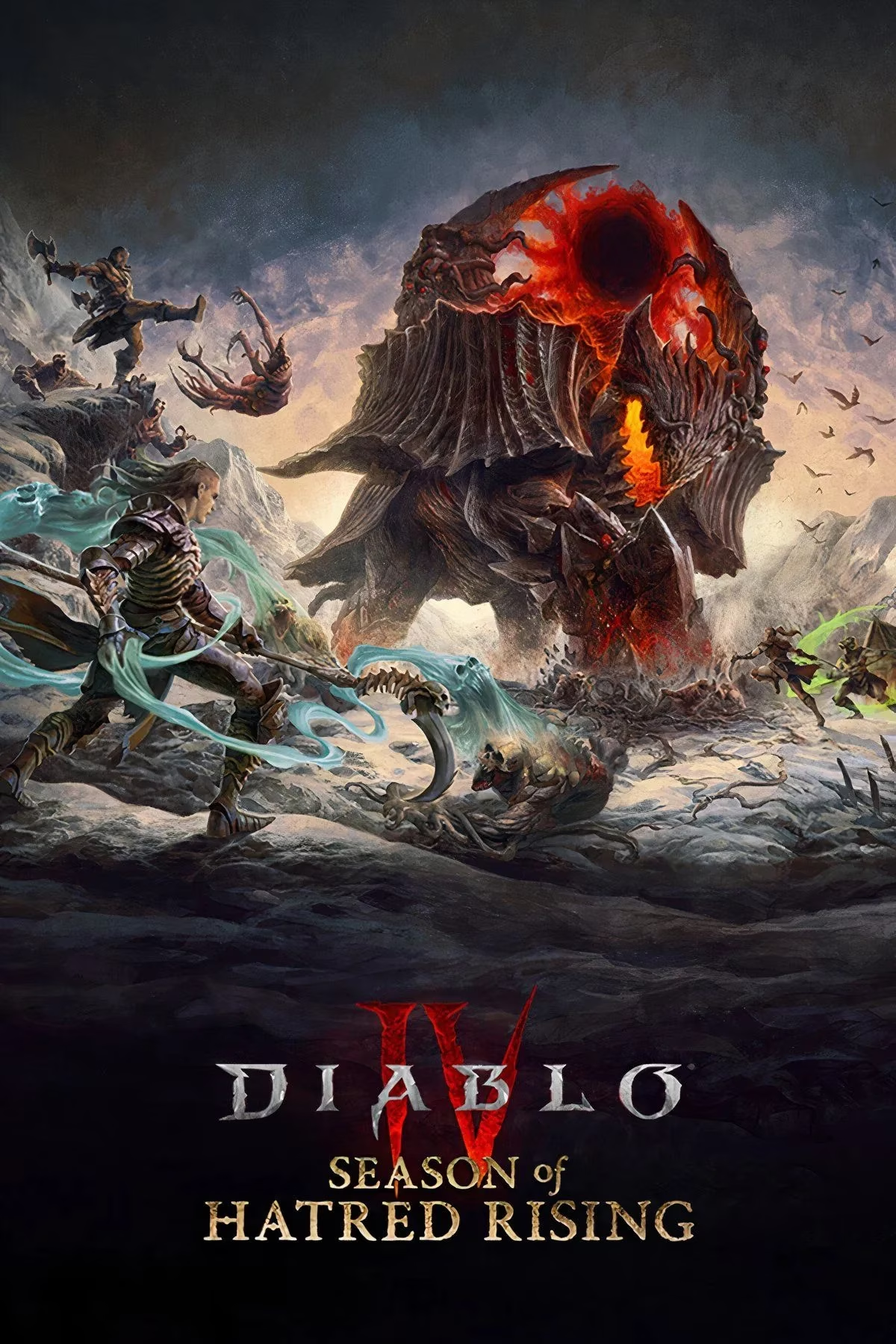
Diablo 4: Vessel of Hatred – A Look Back at the Expansion’s Key Features and Release Details
Two years have passed since Blizzard unleashed Diablo 4: Vessel of Hatred, a sprawling expansion that pushed the boundaries of Sanctuary’s dark fantasy world. Launched on October 7, 2024, the DLC was a defining moment for the franchise, introducing an entirely new region, a fresh playable class, and a host of innovative mechanics. While the fires of hell have calmed somewhat since then, the echoes of Nahantu still resonate deeply with players who ventured into its deadly jungles. This retrospective takes stock of what made Vessel of Hatred such a monumental chapter for the Diablo 4 saga.

When Did Vessel of Hatred Come Out and What Did It Cost?
The expansion went live simultaneously worldwide on October 7, 2024, across PC, PlayStation, and Xbox platforms. PC players who had pre-ordered could begin their pre-load as early as September 30, while console owners had to wait until October 5. Blizzard employed a rolling release schedule, so exact unlock times varied slightly by region. The base Vessel of Hatred Standard Edition was priced at $39.99 USD. A bundled option, which included the core Diablo 4 game, was offered for $69.99, saving players about $20 compared to buying both separately.

Preorders came in four distinct tiers, each with escalating rewards. The Standard Edition awarded a snow leopard pet and the Mother’s Lament Legendary Gem for Diablo Immortal. The Expansion Bundle layered on a one-month Game Pass Ultimate subscription for Xbox and Battle.net buyers. Stepping up to the $59.99 Deluxe Edition unlocked cosmetic treasures such as the Nahantu Veilwalker Spiritborn Armor, the Wings of the Damned, a canine pet, a war-cat mount, and a premium Battle Pass token. The Ultimate Edition, at $89.99, piled on 3,000 Platinum, a tiger pet, the Nahantu Unearthed Armor Bundle, the Wings of the Faith cosmetic, and a Nahantu-themed Town Portal skin. These bundles ensured that whether players cared more about utility or flair, there was an entry point that suited their appetite for demon-slaying style.
What Did Vessel of Hatred Actually Add to Diablo 4?
The heart of the expansion was the Nahantu region—a dense, hostile jungle filled with uncharted dungeons, exotic enemy types, and Strongholds that demanded tactical mastery. As players hunted for Neyrelle and sought to thwart Mephisto’s machinations, they clashed with demons, predatory wildlife, and faction warriors. The narrative seamlessly extended the main campaign, making Nahantu feel as dangerous as it was beautiful.
🛡️ New Class: Spiritborn
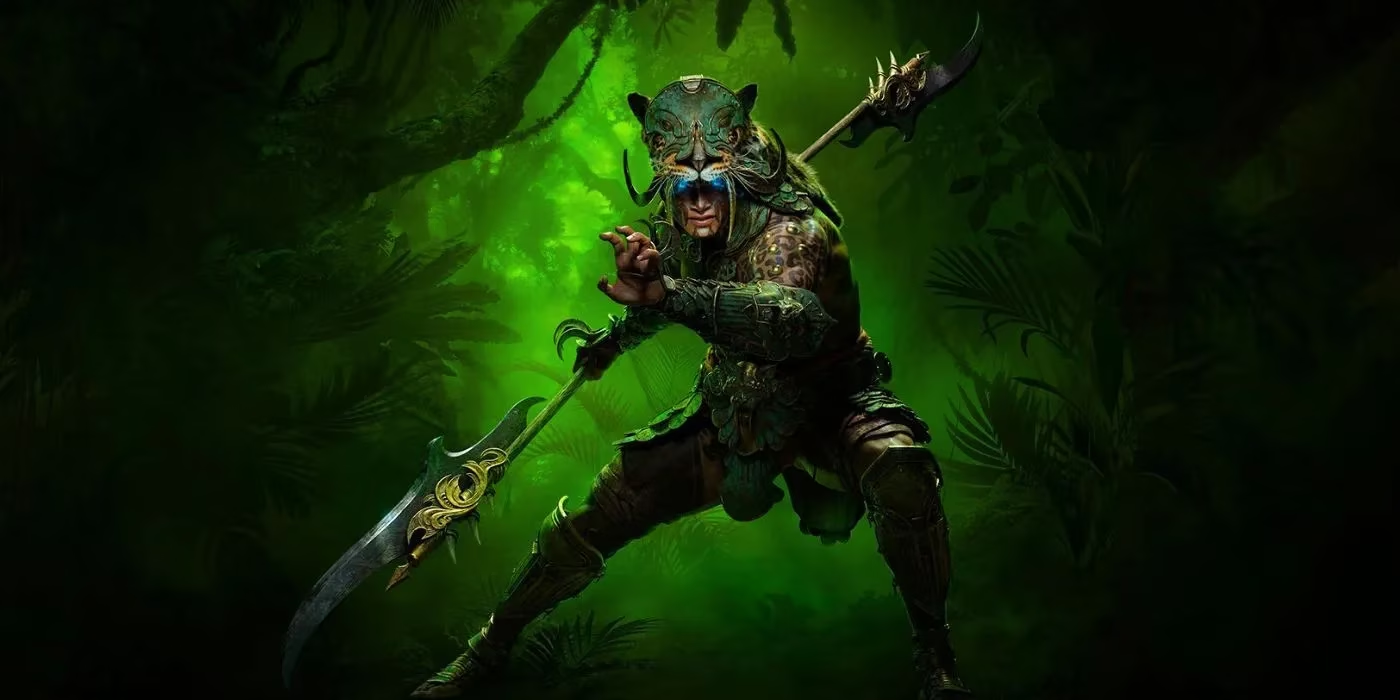
Arguably the star of the show was the Spiritborn class. Designed for high mobility and versatile combat, Spiritborn warriors wielded glaives, polearms, and quarterstaves. Their unique ability to call upon Spirit Guardians granted them a dynamic arsenal of abilities, blending melee ferocity with otherworldly support. The class quickly became a fan favorite, revitalizing build diversity and giving veterans a compelling reason to roll fresh characters.
⚔️ Mercenaries and the Dark Citadel
For the first time in Diablo 4, players could hire Mercenaries—customizable NPC allies who leveled up alongside them. While reminiscent of Diablo 2’s Hirelings, these companions felt more deeply integrated into the combat rhythm. Accompanying them was the Dark Citadel, a new endgame dungeon engineered exclusively for cooperative play. Teams who conquered its gauntlets earned top-tier rewards, making it a weekly staple for organized groups.
How Should Players Have Prepared Back Then—And What It Means Now
When the expansion launched, the general consensus was clear: creating a brand-new character on the Seasonal Realm was the purest way to experience Vessel of Hatred. The Spiritborn class demanded a fresh start, and Blizzard allowed players to skip the base campaign and dive directly into the expansion after unlocking it. This design philosophy meant that the majority of the community plunged into Nahantu with untested heroes, fueling a vibrant seasonal meta.
For those who preferred to march into the jungle with established Eternal Realm characters, certain requirements had to be met. The main campaign needed to be completed, and builds had to be reassessed. Many Eternal characters were relics of past seasons, frozen in time and potentially broken by balance patches. Revisiting and tuning those builds became an essential pre-expansion ritual. Today, this advice is largely historical; however, it serves as a valuable lesson for anyone revisiting Diablo 4 after a long hiatus—always check the patch notes before you step back into hell.
The Lasting Legacy of Vessel of Hatred
Looking back from 2026, Vessel of Hatred stands as a high point in Diablo 4’s ongoing evolution. It didn’t just add content—it deepened the core loop with meaningful companion mechanics, a beautifully realized jungle biome, and a class that still influences balance discussions today. The Dark Citadel’s co-op design pushed the game into more social territory, while the layered preorder rewards set a template for future Blizzard releases. Two years on, whether you’re a returning veteran or a newcomer curious about what the fuss was all about, Nahantu remains a destination worth carving through with glaive, spell, or sheer fury.